Treatment of uncooperative pediatric patients under general anesthesia
The practice specializes in dental care for uncooperative pediatric patients who cannot be treated with standard procedures. Care is provided to children with negative previous experiences with dental treatment and patients for whom conventional behavioral methods are not effective enough.
In cases where verbal communication and an adaptive approach do not lead to successful treatment, the use of general anesthesia is indicated. This is chosen especially in very young children, in patients with extensive caries, or in cases of significant destruction of the teeth, when other methods of treatment would not be effective or safe.
General anesthesia is also a suitable solution for performing selected dental surgical procedures that would represent an excessive burden or increased stress for a pediatric patient.
SPECIAL APPROACH
We know how to treat even children who left their doctor clueless.
Treatment progress
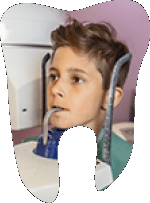
- The treatment process begins with an initial consultation combined with an examination of the child. The aim of this phase is to obtain comprehensive information about the patient’s health condition while also providing the parents with detailed information about the proposed procedure. If necessary and technically feasible, an X-ray examination is added if it has not been performed previously.
- Based on the examination results, the optimal method of treatment is proposed, including an assessment of the suitability of general anesthesia. This phase also includes the preparation of an individual treatment and cost plan. Once approved by the parents, the patient is scheduled for the procedure itself.
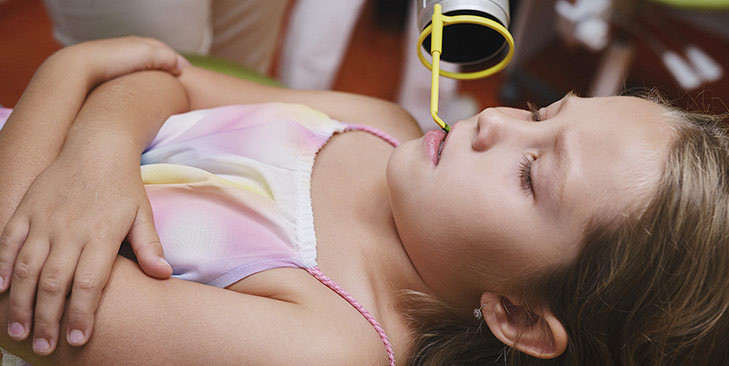
- In pediatric patients, general anesthesia is most commonly initiated by inhalation. During the induction of anesthesia, when the child breathes anesthetic gas through a nasal mask and remains conscious, a legal guardian is present. After anesthesia is induced, the parent leaves the office and the child remains under the continuous supervision of an experienced pediatric anesthesiologist and an anesthesia nurse throughout the entire procedure.
- After the procedure is completed, the child is transferred to the recovery room, where they wake up in the presence of their parents. After the necessary rest period, the patient is discharged to home care with recommendations for rest and parental supervision.
Recommendations before treatment
- It is advisable to schedule the appointment, especially for younger children, at a time of day when the child is not tired, sleepy, or hungry. It is important to monitor the child’s current health condition and, in the event of cold symptoms or other illness, consult the next steps, as these conditions may complicate the treatment.
- It is recommended to prepare the child for the examination in an age-appropriate manner and inform them that the doctor will check their teeth. It is not appropriate to burden the child with your own negative experiences. More detailed information is provided to parents during the consultation.
- The child may bring a favorite toy with them. During the examination, parents should remain more in the background, while clearly expressing their support and presence to the child.
We know that the health and satisfaction of your child is your utmost priority.
Therefore, let us solve any problems as soon as possible and in a comprehensive way.
We help hundreds of children every year and we will make sure you leave our clinic with a smile on your face too.